 +
A TikTok Shop case study can help you choose a small test. It can't tell you which listing will sell. In Edikted's case, TikTok reports that the brand used both paid ads and creator posts for one campaign. That's a useful example of how the work fit together, not proof that either part caused the lift. Before you borrow a tactic, pick a listing you can identify. This article shows why two listings with the same label and price can lead to different test plans.
Think about what it's like to share a success story in a team chat. Someone pastes a bright chart. Another person drops in a link to the product that seems closest to yours. By lunch those two things are being discussed as if they came from the same report. They didn't. The first is about what happened during a campaign. The second is about what someone found in a search today.
TikTok's Edikted case study describes a New Arrivals Campaign built around fresh items. The brand put more behind ads that were already doing well and worked with more creators. The two efforts ran as parts of the same push. Creators could show a new item in use. Ads could help put the offer in front of more people. The description tells you why it would be hard to pin the outcome on one of those moves.
TikTok reports a 111% increase in gross merchandise value and a 98% increase in orders. Those are results that TikTok reports for this campaign. The figures don't tell you what would have happened without the extra ads or what part of the change came from a particular creator. They also don't tell you what a shopper ordered when they saw a certain post.
The idea worth taking from this TikTok Shop case study is smaller. Pick an item that fits the new offer. Give the creator a reason to show it. Then decide which part of the campaign you want to learn about. A launch that does several things well can inspire a test with one clear change. It doesn't give you a goal for your sales report.
The best place to start depends on what's already in place at your store. You may have good clips but a page that's hard to shop. Or your page may work fine, while the videos never show the cut from the side. That's the difference between testing a new clip on the same listing and sending a different item to the same creator. The case can help you think through that choice, but it doesn't pick the answer.
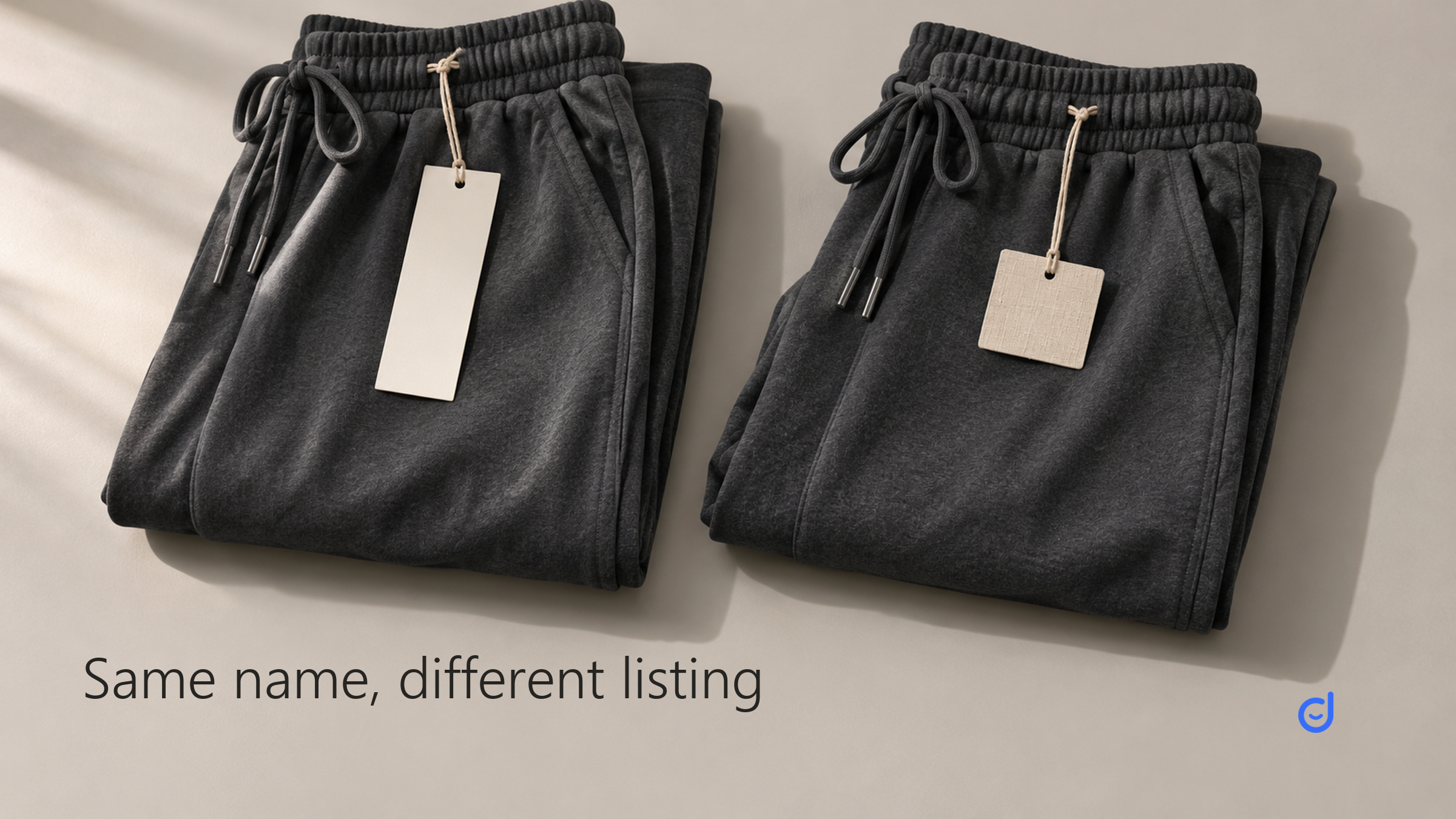
Open a current list of results for the same seller and you see a much smaller piece of the picture. A search result may show two items that look alike. You might expect one to be a duplicate. In this case, the records point to different listing IDs. That matters when you share a link, read units sold or ask a teammate to check the page on their own.
| Listing ID | Listed price | Units, last 7 days | Units, last 30 days |
|---|---|---|---|
| 1732505170887217314 | $56.80 | 890 | 1,975 |
| 1732143811905753250 | $56.80 | 166 | 510 |
KOLSprite product research, November 19, 2026. Two of five US results have the same title and price. The unit totals are estimates for separate listing IDs, not historical campaign results.
The title doesn't tell us why both records exist. They might make the same offer, or shoppers might see a difference once they land on the pages. We haven't checked that here. Either way, a link to one ID isn't a link to the other. If you want to borrow a comparison from the table, keep the ID, the date you looked and the length of the window in the same note.
Open product research, search for a seller or item, then record one listing ID and the time window you are comparing.
In KOLSprite product research, search for the seller or an item with a clear name. Read the title and shop first. When two matches look the same, write down the ID for each one. Go to the listing you mean to use and check what a buyer can find there. If your team can't open the same page from the note, the note isn't ready to guide a test.
A current research record can help you tell the two listings apart. It can't tell you which ad touched the sale, what the brand paid or why a buyer chose one page. Use the live record for identity and comparison. Keep the reported campaign lift in a separate column. A wide gap in unit totals is a reason to check the page, not a reason to declare one link the winner.
The page check has a narrow job: find out whether the viewer gets what was shown. A clip about the drape of one pair of pants only works as a fair test if the link leads to that cut. A view of one color may send the buyer to a page with another color selected. A mismatch changes the test. The clip may make sense on its own and still fail to answer a question about the item you have for sale.
The same principle applies if the two records both appear valid. Start with the one that fits the offer you can run. Keep the other one in your notes as a possible comparison rather than folding it into your totals. This approach also helps when you read a top-selling list. Decide what counts as one comparable before you use the rank.
Bring the question you still need to settle before choosing the comparable.
 +
Join the KOLSprite Discord community
Say your team sells one new pair of pants and has enough stock for a small test. The example is hypothetical. You're not trying to match Edikted's spend, orders or reach. Your question is whether showing the cut in motion makes it easier for a buyer to pick a size. Start with one listing. Ask for a short clip that shows someone both standing and moving. Keep the price and offer the same while you test that message.
A useful result is one that would make you keep or change the idea. Are people getting to the right page and choosing a size? Are they still asking the same question in comments? A test can be worth running even if it doesn't make the item a hit. You might learn that the next edit needs to show the side view or make the fabric easier to see. You might also learn that the page needs a fix before you spend more on clips.
If you can't isolate one part of the idea, don't call the result a test of the clip. A price cut, a new landing page and a new creator may all be good business choices. If they change at once, they make it harder to tell what worked. Note the changes so the next person who reads the report doesn't make the same leap you were tempted to make from the public case.
What if you've already run the kind of creative that the story describes? A second copy may not be the best use of your time. Compare the exact promise in each clip. If the only difference is who said it, you might learn more from a change in what the buyer gets to see. If the two clips answer two different buyer questions, decide which one the product page leaves open right now.
There's a tradeoff if the only item that matches the case is a slow seller in your own store. It may be a good candidate for learning but a poor place to invest most of the budget. In a small learning test, you'd want to see whether a clear fit demo answers a question you can use on other garments. If the goal is to sell the last few units of this item, the offer matters just as much as the video. The same clip could be useful in both plans, but the team needs to agree which of those jobs it's paying for.
A good note starts with the reported result, the source and the name of the campaign. It makes room for the tactic you want to test, the listing ID and the offer the buyer will see. The last line says what you intend to look for. If someone else can't tell which page to open and what would change your mind, the test still needs a tighter focus.
For the pants example, the note might read: Test a clip showing the cut in motion. Use one listing and leave the offer alone. Check whether viewers who open that page still ask about fit. Review the outcome before sending the clip to more creators. That note is easy to discuss because it names a decision, not a target someone copied from a case that ran under different conditions.
One result might be that the creative is clear but the page still leaves people unsure of the cut. In that case, it makes sense to review the listing's variant promise before adding more spend. A sales change alone isn't a new brief. It can be a prompt to separate the analytics from the stock decision, especially if the offer or the page changed during the test.
Use the TikTok Shop case study to pick a move you understand. Use the live comparison to make sure you're looking at the right item. When the story looks strong but the listing is still uncertain, hold the spend. That gives the research a clear end and gives your next test a better chance of telling you something you can use.
Latest Articles
As an essential, data-driven toolkit for TikTok influencers and marketers, KOLSprite provides powerful features for effortless creator discovery, trending content identification, and actionable real-time insights.
It empowers users to make smarter decisions and significantly boosts their TikTok business.

 Refer & Earn